 Life Below Water
Coral Reef

Introduction
Coral reefs are among the most biodiverse and productive ecosystems on Earth, often called the "rainforests of the sea." These underwater cities support approximately 25% of all marine species despite covering less than 1% of the ocean floor. Built by tiny coral polyps over thousands of years, coral reefs provide essential services including coastal protection, fisheries support, and tourism revenue for millions of people worldwide. However, these magnificent ecosystems face unprecedented threats from climate change, pollution, and human activities. With over 50% of the world's coral reefs already degraded or destroyed, urgent conservation action is needed to protect these irreplaceable marine treasures for future generations.
Threats to Coral Reefs
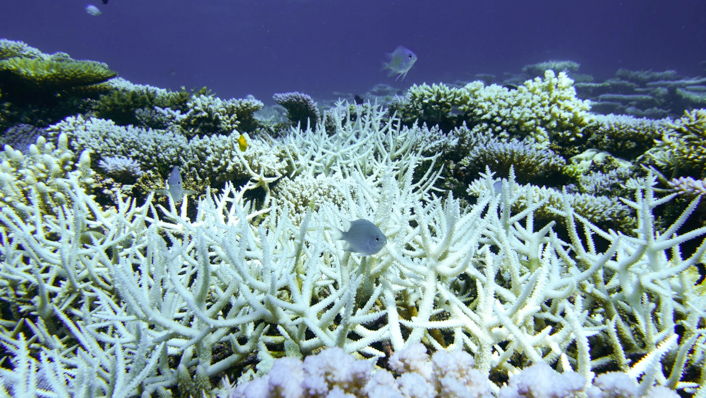
Coral reefs face multiple interconnected threats that have accelerated their decline in recent decades. Climate change is the most significant threat, causing ocean acidification and rising sea temperatures that lead to coral bleaching events. When water temperatures rise by just 1-2°C above normal, corals expel their colorful symbiotic algae and turn white, often leading to death if conditions persist. Pollution from agricultural runoff, sewage, and plastic waste introduces harmful chemicals and nutrients that promote algae growth, smothering corals. Overfishing disrupts the delicate balance of reef ecosystems, while destructive fishing practices using dynamite or cyanide directly damage coral structures. Coastal development, tourism pressure, and physical damage from boats and anchors further compound these threats.
Ecological Importance
Coral reefs serve as critical nurseries and feeding grounds for countless marine species, from tiny fish to large predators like sharks and rays. These complex three-dimensional structures provide shelter, breeding sites, and food sources that support intricate food webs. Many commercially important fish species depend on coral reefs during their juvenile stages, making reef health essential for global fisheries. Beyond marine life, coral reefs act as natural barriers that protect coastlines from storms, waves, and erosion, safeguarding coastal communities and infrastructure. The calcium carbonate skeletons of corals also play a crucial role in the global carbon cycle, helping to regulate ocean chemistry and climate patterns that affect the entire planet.
Conservation Efforts
Global conservation initiatives are working tirelessly to protect and restore coral reef ecosystems through innovative approaches and international cooperation. Marine protected areas are being established to create safe havens where reefs can recover from human pressures. Scientists are developing coral restoration techniques, including coral gardening and assisted evolution programs that help corals adapt to changing conditions. Climate action remains crucial, with efforts to reduce greenhouse gas emissions and limit global temperature rise. Local communities are being engaged in reef monitoring and sustainable tourism practices that provide economic incentives for conservation. Advanced technologies like artificial intelligence and satellite monitoring are helping researchers track reef health and predict bleaching events. Through citizen science programs, reef cleanups, and supporting sustainable seafood choices, individuals can contribute to coral reef conservation while governments work to strengthen environmental regulations and reduce pollution sources.