 Life Below Water
Introduction
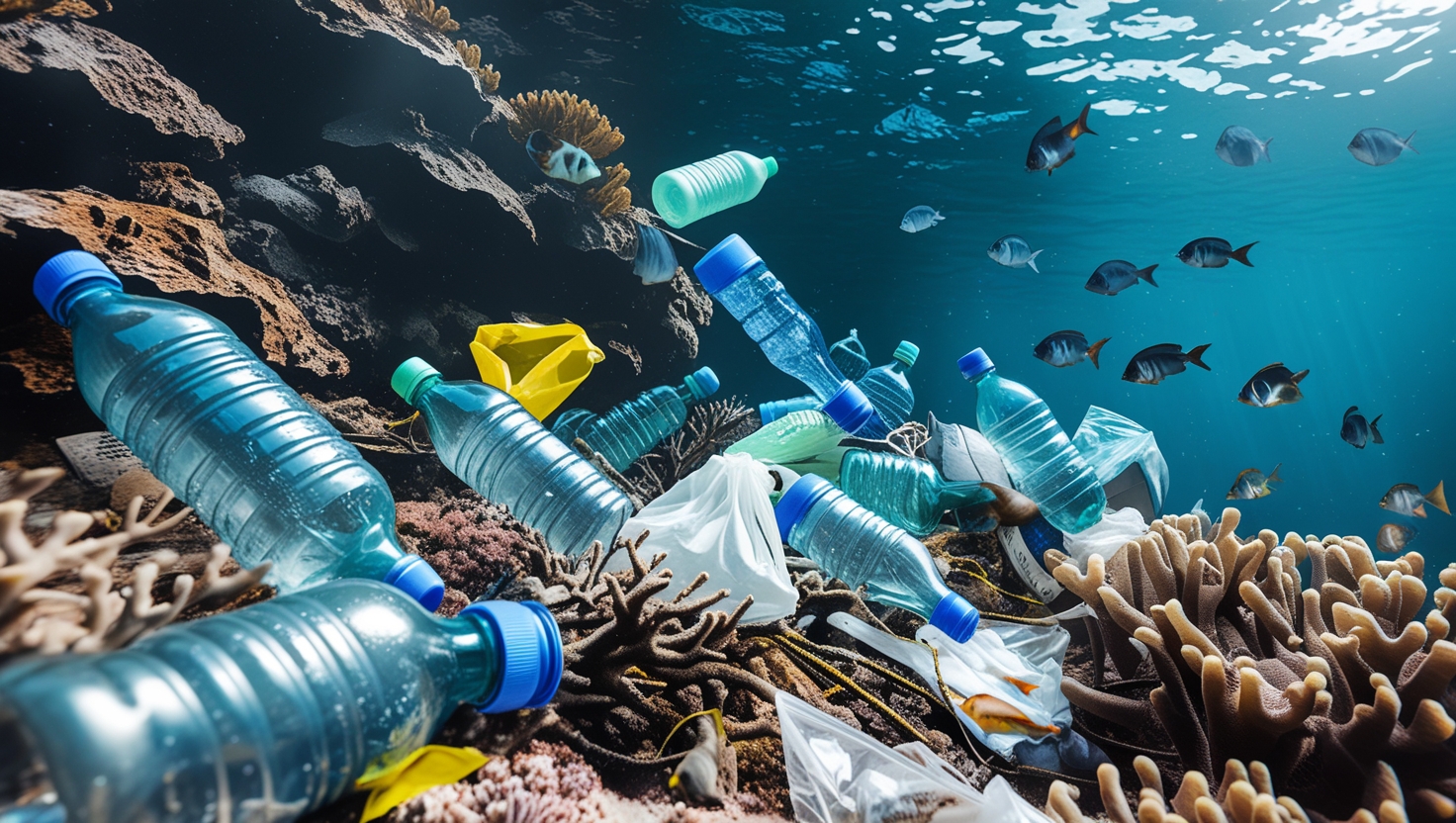
Plastic pollution has become one of the most urgent threats to the health of our oceans and marine life. Every year, an estimated 8 million tons of plastic enter the ocean, harming more than 700 marine species through entanglement, ingestion, and habitat destruction. From tiny microplastics to large floating debris, these plastics travel vast distances, spreading toxic chemicals and disrupting entire ecosystems. Addressing plastic pollution is critical for maintaining biodiversity, protecting human health, and preserving the oceans for future generations. Urgent global cooperation, strong environmental policies, and community action are essential to tackle this challenge effectively.
Causes of Plastic Pollution
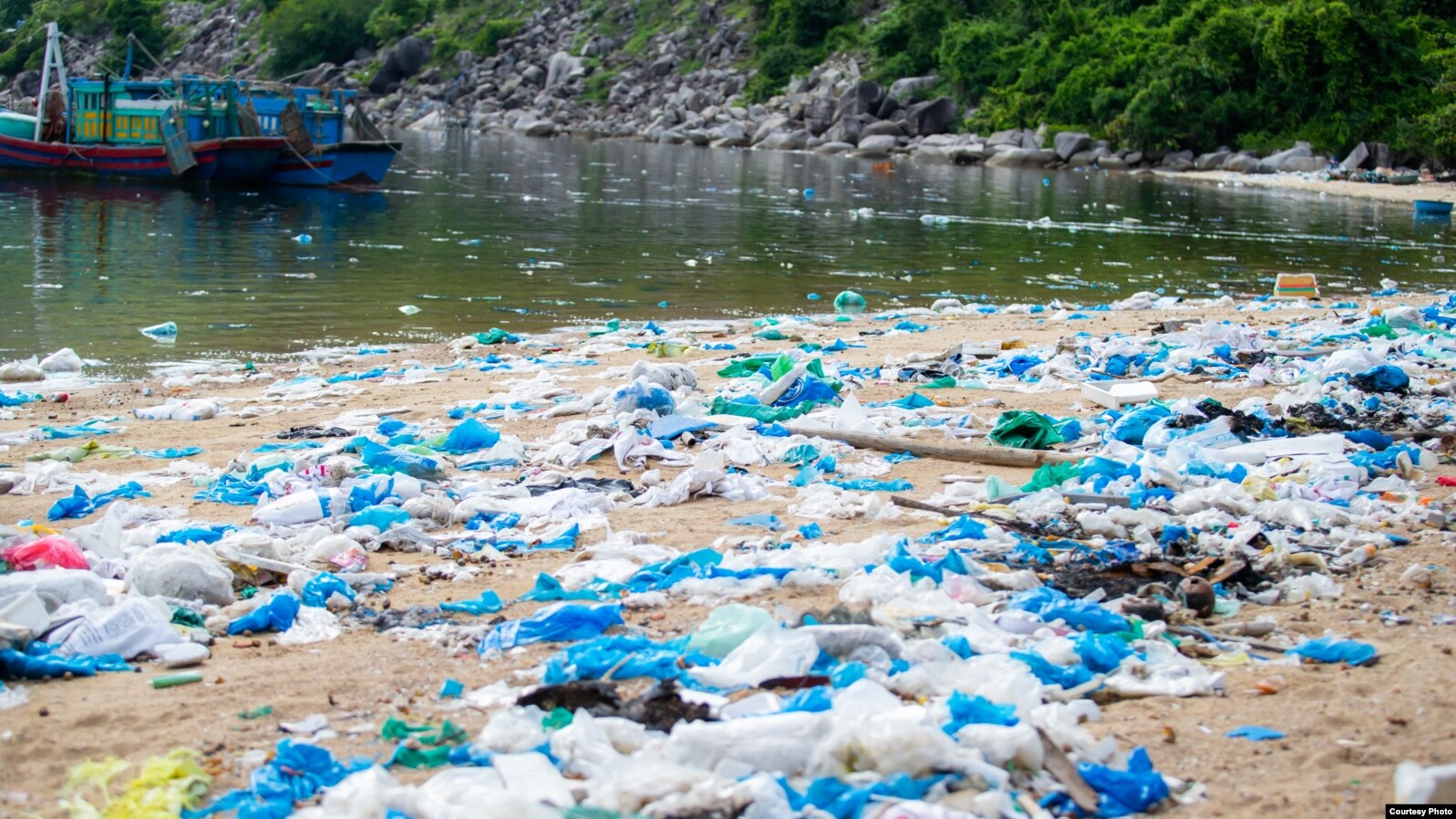
Plastic pollution is mainly caused by poor waste management practices and the widespread use of single-use plastics. Many communities lack proper recycling systems, leading to plastic being dumped in landfills or directly into waterways. In addition, littering and illegal dumping allow plastics to enter rivers and streams, which carry them out to the ocean. Once in the sea, plastics can travel across entire ocean basins, accumulating in huge gyres. Industrial activities, fishing gear losses, and packaging waste also add to the problem. These combined factors contribute to the continuous growth of plastic pollution threatening our marine environment.
Effects on Marine Life
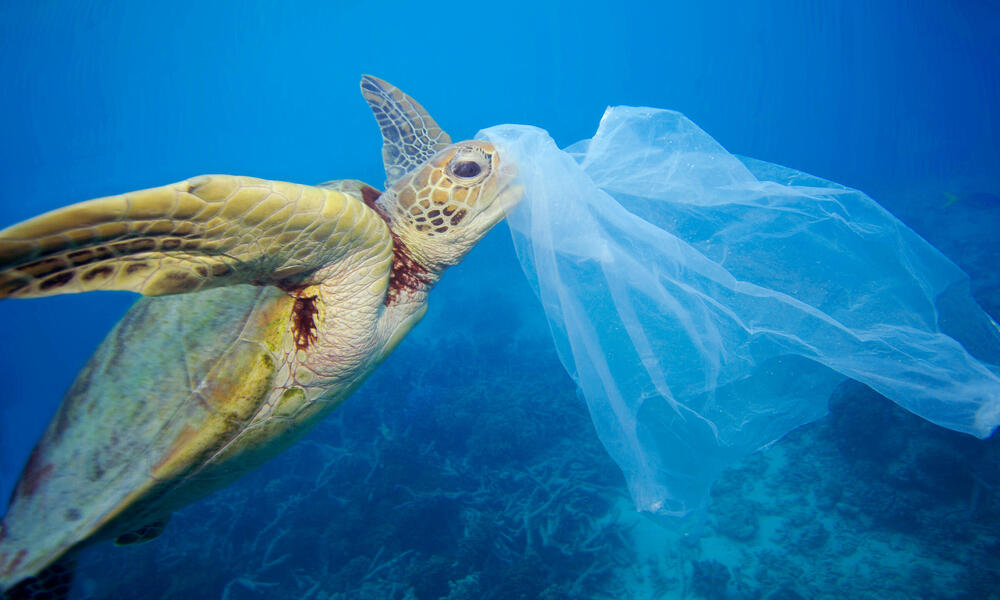
Plastic pollution has devastating impacts on marine animals and entire ecosystems. Many marine creatures, such as turtles, dolphins, and seabirds, mistake plastic items for food, leading to fatal blockages and malnutrition. Entanglement in discarded fishing nets and other plastic debris can cause injury, drowning, or even death. Microplastics, which form as larger plastics break down, are ingested by fish and other small organisms, eventually making their way up the food chain and potentially harming human health. The presence of plastic disrupts delicate marine habitats, damages coral reefs, and alters the natural balance of ocean ecosystems, threatening biodiversity and sustainability.
Solutions & Global Efforts
Worldwide initiatives are being developed to combat the escalating crisis of ocean plastic pollution. Many governments are implementing bans on single-use plastics, promoting the adoption of biodegradable materials, and encouraging innovative product designs that minimize waste. At the same time, new technologies are emerging to improve plastic recycling and transform waste into valuable resources. Community-based cleanup programs and coastal restoration projects are playing a crucial role in removing existing debris and restoring marine habitats. Educational campaigns are raising awareness about the impacts of plastic on marine ecosystems, inspiring individuals to adopt more sustainable lifestyles. By actively supporting these efforts, making environmentally conscious choices, and demanding stronger environmental policies, every person can contribute to protecting ocean biodiversity and ensuring a healthier, cleaner marine environment for future generations.